
Skin treatment in Kanpur
Skin care that starts with understanding your skin.
At Derma Plant Clinic & Academy, the first step is understanding what is bothering you. Acne scars, pigmentation, tanning, uneven texture and dullness can have different causes, so treatment options should be discussed around your skin, history and goals—not a one-size-fits-all list.
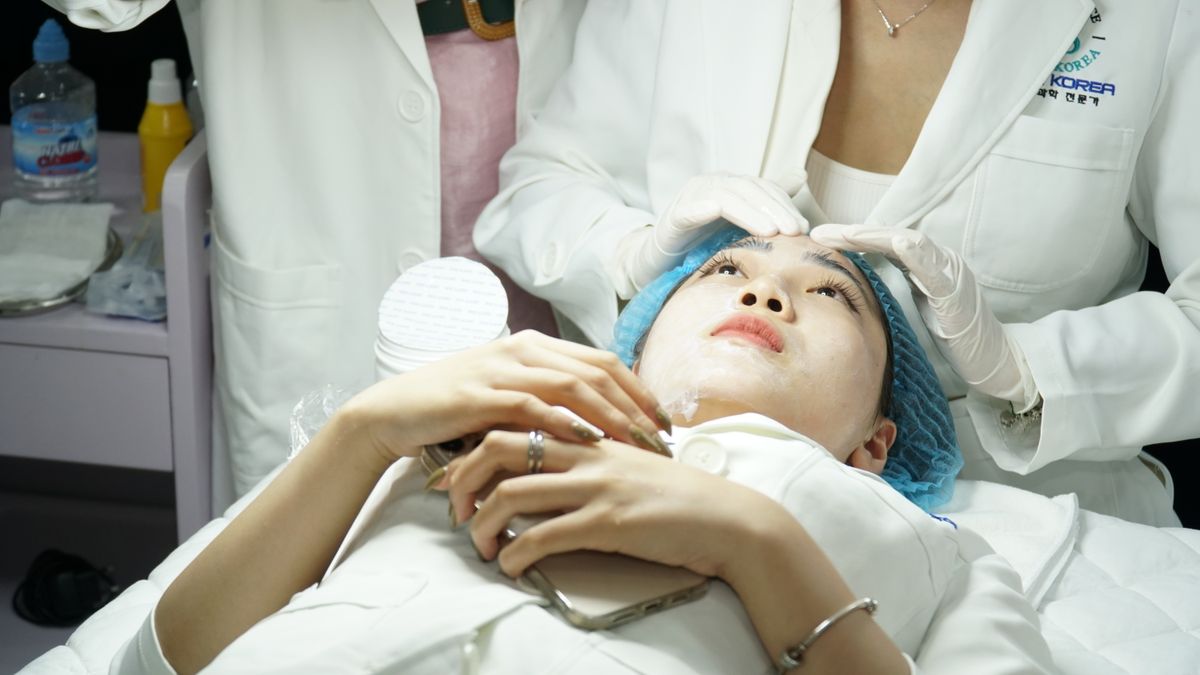
Acne scars can differ in depth and shape. Pigmentation may be influenced by sun exposure, hormones, inflammation or other factors. Dullness and rough texture can also have different contributors.
At Derma Plant Clinic & Academy, Dr. Akanksha discusses your concern, relevant medical history, medicines, sensitivity, sun exposure and current skincare before treatment options are considered.
The treatments on this page are a general guide to options described by the clinic. Not every procedure suits every person, and availability may change. Please contact the clinic to confirm whether a particular service is currently offered.
Skin treatment options
Start with the concern, then discuss the approach.
Explore the options listed by the clinic. A consultation helps determine whether a procedure is appropriate, what its limits are and whether an alternative approach may make more sense.
Scars, pits and uneven skin surface
Scar type, depth, skin tone and healing history all influence what may be considered. Several approaches may be discussed for selected cases.

Subcision
Subcision is sometimes considered for selected depressed, tethered scars. It involves releasing fibrous bands beneath the skin and can cause bruising, swelling or other complications.
Discuss acne scars
MNRF
Microneedling radiofrequency combines fine needles with radiofrequency energy. It may be discussed for selected concerns involving acne scars, pores or texture after considering risks and alternatives.
Ask about MNRF
PRP for skin
Platelet-rich plasma uses a preparation made from your own blood. Its role depends on the concern and technique; expected benefits and limits should be discussed before deciding.
Discuss PRPTanning, dark spots and uneven tone
Pigmentation can have different causes. Before considering a peel or laser, it is important to understand the type of pigmentation and the chance of irritation or post-inflammatory darkening.

Chemical peels
A chemical peel uses a selected solution to exfoliate the skin. The type and strength need to match the concern and skin; irritation and pigment changes are possible.
Discuss peel options
Laser toning
Laser toning may be considered for selected pigmentation concerns after assessment. Outcomes vary, and the wrong device or settings can worsen pigmentation or irritate the skin.
Explore laser treatment
Q-Switch laser
Q-Switch lasers may be used for some types of pigment, depending on the diagnosis and device. Not every dark spot should be treated with a laser.
Ask about laser suitabilityFreshness, exfoliation and hydration
These options are not a substitute for diagnosing a persistent rash, acne flare or other medical skin condition. Suitability depends on the skin and the goal.

Hydrafacial
A device-based facial may combine cleansing, exfoliation and serum application. It may not be suitable for every skin condition or sensitivity, so discuss current products and concerns first.
Ask about Hydrafacial
Brightening peels
Selected peels may be considered for dullness, tanning or uneven tone. The product and strength should be chosen carefully, with clear guidance on sun protection and aftercare.
Discuss peel suitability
Skin consultation & routine review
Review your current skincare, sensitivities and priorities before choosing products or procedures. A simpler routine may be appropriate alongside—or instead of—a clinic treatment.
Discuss your skin routineConsider texture care with a clear plan.
Some options focus on resurfacing; others are about understanding suitability, recovery and follow-up. The aim is to discuss what is appropriate for your skin rather than promise a particular result.

Laser resurfacing
Selected laser approaches may be discussed for certain scars or texture concerns. Device choice, pigment-change risk, recovery time and aftercare require individual assessment.
Explore laser care
Skin rejuvenation assessment
Discuss texture, tone, sensitivity and your goals. An assessment can help clarify which options may be suitable, which are not, and whether a non-procedural plan is a better starting point.
Plan a consultation
Aftercare & review
If you proceed with a treatment, ask how to care for your skin afterwards, which products or activities to avoid, and when to seek advice about unexpected symptoms.
Ask about aftercareImages are illustrative stock photographs. They do not show Derma Plant patients, treatment results or a guarantee that each procedure is currently available. Confirm availability with the clinic.
A simple treatment guide
What might be discussed for your concern?
This overview is educational only—not a self-diagnosis or a recommendation. A clinician may suggest skincare, another care route or no procedure depending on the assessment.
| Concern | Options that may be discussed |
|---|---|
| Depressed or rolling acne scars | Subcision; MNRF or PRP in selected cases |
| Acne pits or rough texture | MNRF; selected laser resurfacing; other options after assessment |
| Tanning or uneven tone | Selected chemical peels or laser-based options when appropriate |
| Pigmentation or dark spots | Assessment first; peel or laser options only when appropriate for the pigment type |
| Dull or congested skin | Skincare review, selected facials or peels depending on sensitivity and concern |
| Selected skin-quality concerns | PRP or MNRF may be discussed after explaining the evidence, risks and limits |
The table should not be used to select a procedure independently. Learn about related laser treatment or aesthetic treatment, or ask the clinic about current services.
Your consultation journey
Know the plan before treatment begins.
The aim is to make the decision clear: what is being addressed, what the options involve and what to expect during recovery and follow-up.
Skin assessment
Discuss your concern, skin history, sensitivities, current skincare, medicines and relevant health information.
Discuss options
Review what may suit the concern, plus alternatives, risks, likely downtime and realistic expectations.
Make an informed choice
Ask questions and take time to decide. No procedure should begin without appropriate consent.
Aftercare and review
Follow the individual aftercare plan and attend follow-up if advised. The plan may change based on response.
Safety and aftercare
Skin care continues beyond the session.
Peels, needles and energy-based devices can cause irritation and other side effects. Risk depends on the procedure, device or product, skin type, health history and technique. Follow the treating clinician’s instructions rather than a generic online routine.
- Tell the clinician about medicines, allergies, pregnancy, previous procedures and a history of unusual scarring or cold sores when relevant.
- Do not stop prescribed medication unless the prescribing clinician advises you to.
- Use sun protection and products recommended for your skin during recovery.
- Seek clinical advice if symptoms are severe, worsening or unexpected.
A procedure that helps one person may be unsuitable for someone else.
Ask about common side effects, less common complications and what improvement is realistic.
Know which products to use, which activities to avoid and when to return for review.
Some concerns can recur or require ongoing care; ask about long-term planning.
Frequently asked questions
Before you book a skin consultation.
These answers give general information; they cannot diagnose a skin condition or replace a clinical assessment.
Contact the clinic to ask about current availability or cost.
Can acne scars be removed completely?
Complete removal cannot be promised. Depending on scar type and depth, certain treatments may improve appearance or texture, but outcomes vary and more than one session may be discussed.
How many sessions will I need?
It depends on the concern, the selected approach and how your skin responds. The clinician should explain the possible course and review points before treatment begins.
Are chemical peels suitable for every skin tone?
No single peel suits everyone. Product choice, strength, skin type and the risk of irritation or pigment changes need to be considered individually.
Is PRP suitable for all skin concerns?
No. The role of PRP depends on the concern and technique, and evidence varies by use. Ask about alternatives, possible side effects and realistic expectations.
Will there be downtime after skin treatment?
Recovery varies. Some facials have little downtime, while peels, microneedling radiofrequency, PRP or subcision may involve redness, swelling, flaking or bruising. Ask for guidance specific to the procedure proposed.
Can pigmentation return after treatment?
Some forms of pigmentation can recur, including with sun exposure or hormonal influences. The cause matters, and maintenance advice may be part of the plan.
Can I get a diagnosis or treatment plan through WhatsApp?
WhatsApp can be used for a general enquiry or appointment request. It is not a substitute for an examination or personalised medical advice.
How much does skin treatment cost in Kanpur?
Cost depends on the concern, procedure, treatment area and number of sessions, where applicable. Contact the clinic for current pricing after the proposed plan is clarified.
Your next step
Start with a clear conversation about your skin.
Contact Derma Plant Clinic & Academy in Kanpur to ask about skin treatment options, current availability or how to visit the clinic. You can review the WhatsApp message before sending it.
General information only—not a diagnosis or personal treatment recommendation. Procedure availability must be confirmed with the clinic, and individual suitability and results vary.